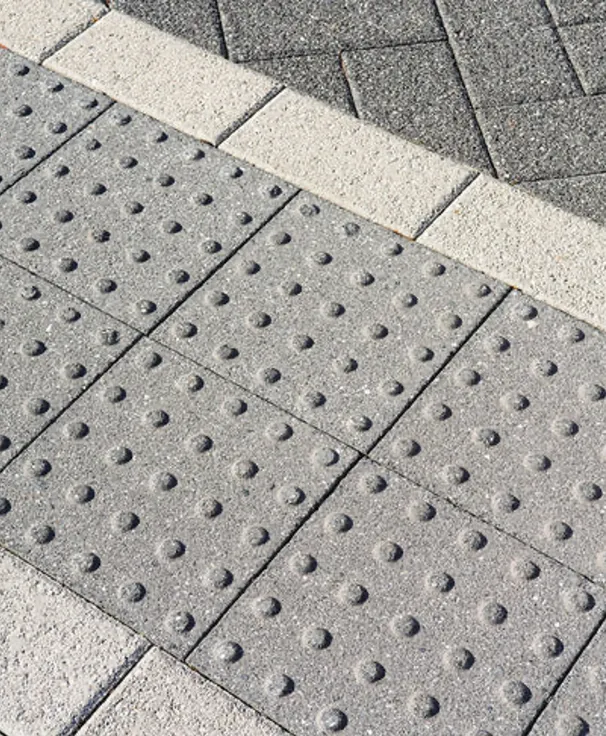
When it comes to making our public spaces accessible, the installation of ADA detectable warning panels – cast in place & surface applied is crucial. These panels help people with vision impairments navigate safely. I remember when my local park installed these panels. The difference was clear. Suddenly, blind or visually impaired individuals could move around with more confidence.
Why Are ADA Panels Important?
ADA detectable warning panels serve as a guide for those who rely on tactile feedback. They alert users about changes in pedestrian pathways, especially near streets and hazardous areas. Here are some reasons why they matter:
- They enhance safety by providing clear warnings.
- They comply with the Americans with Disabilities Act (ADA).
- They help create a more inclusive environment.
Types of Installation: Cast In Place vs. Surface Applied
Choosing between cast in place and surface applied panels can be tricky. Both methods have their pros and cons. Let’s break it down.
Cast In Place Installation
With cast in place installation, panels become part of the concrete itself. This method is often used during new construction or major renovations. Here’s what I’ve learned:
- They provide a permanent solution.
- They are less likely to shift or become damaged.
- They can be more aesthetically pleasing when done right.
Surface Applied Installation
Surface applied panels are installed on top of existing surfaces. This can be a great option for retrofitting older pathways. I saw a local business use this method recently. It was quick and effective. Here are some key points:
- Installation is often faster and less labor-intensive.
- They can easily be replaced if damaged.
- They are suitable for a variety of surfaces.
Steps for Installation
Whether you choose cast in place or surface applied, following a clear process is key. Here’s a simple guide:
- Measure the installation area carefully.
- Prepare the surface or set up forms for cast in place.
- Mix and pour concrete if going cast in place.
- For surface applied, clean the area and adhere the panels as per manufacturer instructions.
- Ensure all panels are level and properly aligned.
Material Choices
When selecting panels, consider the materials. Many options exist, including truncated dome tiles. They are durable and provide excellent tactile feedback. I’ve noticed that panels made from rubber are also popular. They offer flexibility and resilience against wear.
Conclusion
Installing ADA detectable warning panels is more than a requirement; it’s a commitment to accessibility. Whether you go for cast in place or surface applied, the impact on your community can be profound. I encourage everyone to consider how these small changes can lead to safer, more inclusive spaces. Remember, it’s all about making our world easier to navigate for everyone.